Diocese of Hereford Multi-Academy Trust
Our Family of Academies

Our Family of Academies

GoodrichChurch of England Primary School

PSHE (including Relationships Education)
PSHE Curriculum Statement
As the children move through the school, they blossom as they grow as unique individuals, benefitting from the strength and faith of our school. They know who they are and are prepared to contribute positively as part of society. They are ready to make the most of opportunities they meet and the attributes to face challenges as they arise.
At Goodrich Primary school we adopt a thematic model to our primary PSHE education, covering all three core themes of the Programme of Study (Health and Wellbeing; Relationships; and Living in the Wider World) over the school year, with three topics per half term. This approach allows different year groups to work on similar themes at the same time, building a spiral programme year on year.
|
CURRICULUM INTENT |
Curriculum Intent What a PSHE looks like in our school.
This is our philosophy: We aim to promote children’s knowledge, self-esteem, emotional wellbeing and resilience, and to help them to form and maintain worthwhile and positive relationships. Children will be taught to have respect for themselves, and for others, within our local, national and global communities. We aim to enable children to develop a deepening knowledge of their health and wellbeing, including their mental and physical health. We aim to equip children and young people with information, skills and values to understand and to be able to cope with the physical and emotional changes that happen during puberty. We aim to prepare pupils adequately for adult life: its decisions, responsibilities, experiences and opportunities, and to allow pupils to develop fully as emotionally mature human beings. So, by the time they leave Goodrich, personal, social and health education (PSHE) enables our learners to become healthy, independent and responsible members of a society. It helps them understand how they are developing personally and socially, and tackles many of the moral, social and cultural issues that are part of growing up. Our curriculum allows pupils to learn about rights and responsibilities and appreciate what it means to be a member of a diverse society. Our children are encouraged to develop their sense of self-worth by playing a positive role in contributing to school life and the wider community. |
|
CURRICULUM INTENT |
This is the knowledge and understanding gained at each stage:
By the end of EYFS pupils will:
By the end of Key Stage 1 pupils will be able to:
By the end of Key Stage 2 pupils will be able to:
|
|
CURRICULUM IMPLEMENTATION |
Curriculum Implementation
This is how it works:
This is what the adults do and how they support:
This how we challenge:
This how we ensure all children can access the curriculum:
What is Cultural Capital? The National Curriculum defines cultural capital as: ‘the essential knowledge that pupils need to be educated citizens, introducing them to the best that has been thought and said and helping to engender an appreciation of human creativity and achievement’. This powerful knowledge can be split into two categories: powerful subject knowledge and powerful personal knowledge. Powerful Subject Knowledge in PSHE
Powerful Personal Knowledge in Computing
|
|
CURRICULUM IMPACT |
Curriculum Impact
At Goodrich Primary School, we recognise the importance of PSHE in every aspect of daily life. By teaching pupils to stay safe and healthy, and by building self-esteem, resilience and empathy. By the time they leave our school, personal, social and health education (PSHE) enables our learners to become healthy, independent and responsible members of a society. It helps them understand how they are developing personally and socially, and tackles many of the moral, social and cultural issues that are part of growing up. Our curriculum allows pupils to learn about rights and responsibilities and appreciate what it means to be a member of a diverse society. Our children are encouraged to develop their sense of self-worth by playing a positive role in contributing to school life and the wider community.
This is what you might typically see:
This is how we know how well our children are doing:
We have identified substantive and disciplinary knowledge which is fundamental to the children’s development and understanding in PSHE. They accumulate this as they move through our school which then gives them a firm foundation to build on when they move on to KS3 and beyond.
This is the impact of the teaching how we know how well our children are doing:
|

PSHE Progression Document
|
PSHE in the Early Years Including Goldcrests nursery |
||
|
PSHE in the early years is taught through a variety of adult led and child-initiated activities. All activities and play based learning opportunities are guided by the interests of the individuals in the settings. PSHE forms the basic structure of the EYFS with numerous opportunities for the children to develop within each of the strands. PSHE is taught in three main strands:
Children know the importance for good health of physical exercise, and a healthy diet, and talk about ways to keep healthy and safe. They manage their own basic hygiene and personal needs successfully, including dressing and going to the toilet independently.
Children play co-operatively, taking turns with others. They take account of one another’s ideas about how to organise their activity. They show sensitivity to others’ needs and feelings and form positive relationships with adults and other children.
Children talk about how they and others show feelings, talk about their own and others’ behaviour, and its consequences, and know that some behaviour is unacceptable. They work as part of a group or class and understand and follow the rules. They adjust their behaviour to different situations and take changes of routine in their stride. |
||
|
Relationships |
Show more confidence in new social situations. Play with one or more other children, extending and elaborating play ideas. Become more outgoing with unfamiliar people, in the safe context of their setting. Develop appropriate ways of being assertive. Talk with others to solve conflicts. Begin to understand how others might be feeling. Help to find solutions to conflicts and rivalries. For example, accepting that not everyone can be Spider Man in the game, and suggesting other ideas. |
|
|
Health and wellbeing |
Develop their sense of responsibility and membership of a community. Increasingly follow rules, understanding why they are important. Do not always need an adult to remind them of a rule. |
|
|
Living in the wider world |
Talk about their feelings using words like ‘happy’, ‘sad’, ‘angry’ or ‘worried’. Select and use activities and resources, with help when needed. This helps them to achieve a goal they have chosen, or one which is suggested to them. |
|
|
Relationships Pupils should be taught: 1. how to develop and maintain a variety of healthy relationships, within a range of social/cultural contexts 2. how to recognise and manage emotions within a range of relationships 3. how to recognise risky or negative relationships including all forms of bullying and abuse 4. how to respond to risky or negative relationships and ask for help 5. how to respect equality and diversity in relationships. |
Health and Wellbeing Pupils should be taught: 1. what is meant by a healthy lifestyle 2. how to maintain physical, mental and emotional health and wellbeing 3. how to manage risks to physical and emotional health and wellbeing 4. ways of keeping physically and emotionally safe 5. about managing change, including puberty, transition and loss 6. how to make informed choices about health and wellbeing and to recognise sources of help with this 7. how to respond in an emergency 8. to identify different influences on health and wellbeing
|
Living in the Wider World. Pupils should be taught: 1. about respect for self and others and the importance of responsible behaviours and actions 2. about rights and responsibilities as members of families, other groups and ultimately as citizens 3. about different groups and communities 4. to respect equality and to be a productive member of a diverse community 5. about the importance of respecting and protecting the environment 6. about where money comes from, keeping it safe and the importance of managing it effectively 7. how money plays an important part in people’s lives 8. a basic understanding of enterprise. |
|
|
Milestone 1 Year A Wrens & Robins |
Milestone 1 Year B Wrens & Robins |
Milestone 2 Year A Woodpeckers |
Milestone 2 Year B Woodpeckers |
Milestone 2/3 Year A Owls |
Milestone 2/3 Year B Owls |
Milestone 3 Year A Peregrines |
Milestone 3 Year A Peregrines |
|
|
RELATIONSHIPS |
Families and friendships |
Roles of different people; families; feeling cared for |
Making friends; feeling lonely and getting help |
What makes a family; features of family life
|
Positive friendships including online |
Managing friendships and peer influence |
Positive friendships including online |
Managing friendships and peer influence |
Attraction to other; romantic relationships; civil partnerships and marriage |
|
Safe relationships |
Recognising privacy; staying safe; seeking permission |
Managing secrets; resisting pressure and getting help; recognising hurtful behaviour |
Personal boundaries; safely responding to others; the impact of hurtful behaviour |
Responding to hurtful behaviour; managing confidentiality; recognising risks online |
Physical contact and feeling safe |
Responding to hurtful behaviour; managing confidentiality; recognising risks online |
Physical contact and feeling safe |
Recognising and managing pressure; consent in different situations |
|
|
Respecting ourselves and others |
How behaviour affect others: being polite and respectful |
Recognising things in common and differences; playing and working cooperatively; sharing opinions |
Recognising things in common and differences; playing and working cooperatively; sharing opinions |
Respecting differences and similarities; discussing difference sensitively |
Responding respectfully to a wide range of people; recognising prejudice and discrimination |
Respecting differences and similarities; discussing difference sensitively |
Responding respectfully to a wide range of people; recognising prejudice and discrimination |
Expressing opinions and respecting others points of view, including discussing topical issues |
|
|
|
Milestone 1 Year A Wrens & Robins |
Milestone 1 Year B Wrens & Robins |
Milestone 2 Year A Woodpeckers |
Milestone 2 Year B Woodpeckers |
Milestone 2/3 Year A Owls |
Milestone 2/3 Year B Owls |
Milestone 3 Year A Peregrines |
Milestone 3 Year A Peregrines |
|
|
HEALTH & WELLBEING |
Physical health and Mental wellbeing |
Keeping healthy; food and exercise, hygiene routines; sun safety
|
Why sleep is important; medicines and keeping healthy; keeping teeth healthy; managing feelings and asking for help |
Health choices and habits; what affects feelings; expressing feelings |
Maintaining a balanced lifestyle; oral hygiene and dental care |
Healthy sleep habits; sun safety; medicines, vaccinations, immunisations and allergies |
Maintaining a balanced lifestyle; oral hygiene and dental care |
Healthy sleep habits; sun safety; medicines, vaccinations, immunisations and allergies |
What affect mental health and ways of taking care of it; managing change, loss and bereavement; managing time online |
|
Growing and changing |
Recognising what makes them unique and special; feelings; managing when things go wrong |
Growing older; naming body parts; moving class or year |
Personal strengths and achievements; managing and reframing setback |
Physical and emotional changes in puberty, external genitalia; personal hygiene routines; support with puberty |
Personal identify; recognising individuality and different qualities; mental well being |
Physical and emotional changes in puberty, external genitalia; personal hygiene routines; support with puberty |
Personal identify; recognising individuality and different qualities; mental well being |
Human Reproduction and birth; increasing independence; managing transition |
|
|
Keeping safe |
How rules and age restrictions help us; keeping safe online |
Safety in different environments; risk and safety at home; emergencies |
Risks and hazards; safety in the local environment and unfamiliar places |
Medicines and household products; drugs common to everyday life |
Keeping safe in different situations, including responding in emergencies, first aid and FGM |
Medicines and household products; drugs common to everyday life |
Keeping safe in different situations, including responding in emergencies, first aid and FGM |
Keeping personal information safe; regulations and choices; drug use and the law; drug use and the media
|
|
|
|
Milestone 1 Year A Wrens & Robins |
Milestone 1 Year B Wrens & Robins |
Milestone 2 Year A Woodpeckers |
Milestone 2 Year B Woodpeckers |
Milestone 2/3 Year A Owls |
Milestone 2/3 Year B Owls |
Milestone 3 Year A Peregrines |
Milestone 3 Year A Peregrines |
||
|
LIVING IN THE WIDER WORLD |
Belonging to a community |
What rules are; caring for others’ needs; looking after the environment |
Belonging to a group; roles and responsibilities; being the same and different in the community |
The value of rules and laws; rights, freedoms and responsibilities |
What makes a community; shared responsibility |
Protecting the environment; compassion towards others |
What makes a community; shared responsibility |
Protecting the environment; compassion towards others |
Valuing diversity; challenging discrimination and stereotypes |
|
|
Media literacy and digital resilience |
Using the internet and digital devices; communicating online |
The internet in everyday life; online content and information
|
How the internet is used; assessing information online |
How data is shared
|
How information online is targeted; different media types, their role and impact |
How data is shared
|
How information online is targeted; different media types, their role and impact |
Evaluating media sources; sharing things online |
||
|
Money and work |
Strengths and interests; jobs in the community
|
What money is; needs and wants; looking after money.
|
Different jobs and skills; job stereotypes; setting personal goals |
Making decisions about money: using and keeping money safe |
Identifying job interests and aspirations; what influences career choices; workplace stereotypes |
Making decisions about money: using and keeping money safe |
Identifying job interests and aspirations; what influences career choices; workplace stereotypes |
Influences and attitudes to money; money and financial risks |
||
|
Substantive and disciplinary knowledge in PSHE |
||||||||||
|
Substantive knowledge in PSHE is threaded throughout.
|
Disciplinary knowledge in PSHE is the interpretation of themselves and how to support themselves and others through changes. They will have opportunities to make their own choices about how to do something and will be able to evaluate what they have learnt and tried and how to improve for their future. Such as:
|
|||||||||
PSHE/ BRITISH VALUES/ SMSC LONG TERM OVERVIEW
Year A Overview KS1 (Milestone 1)
|
|
PSHE |
BRITISH VALUES/SMSC |
ENRICHMENT |
|
AUTUMN 1 |
Families and friendships Roles of different people; families; feeling cared for |
Respecting ourselves and others How behaviour affect others: being polite and respectful |
Charity event |
|
AUTUMN 2 |
Safe relationships Recognising privacy; staying safe; seeking permission |
Anti-Bullying Week |
|
|
SPRING 1 |
Growing and changing Recognising what makes them unique and special; feelings; managing when things go wrong |
Physical health and Mental wellbeing Keeping healthy; food and exercise, hygiene routines; sun safety
|
SRE |
|
SPRING 2 |
Keeping safe How rules and age restrictions help us; keeping safe online |
E Safety Week |
|
|
SUMMER 1 |
Media literacy and digital resilience Using the internet and digital devices; communicating online |
Belonging to a community What rules are; caring for others’ needs; looking after the environment |
Charity event |
|
SUMMER 2 |
Money and work Strengths and interests; jobs in the community |
Environmental safety |
Year B Overview KS1 (Milestone 1)
|
|
PSHE |
BRITISH VALUES/SMSC |
ENRICHMENT |
|
AUTUMN 1 |
Families and friendships Making friends; feeling lonely and getting help |
Respecting ourselves and others Recognising things in common and differences; playing and working cooperatively; sharing opinions |
Charity event |
|
AUTUMN 2 |
Safe relationships Managing secrets; resisting pressure and getting help; recognising hurtful behaviour |
Anti-Bullying Week |
|
|
SPRING 1 |
Growing and changing Growing older; naming body parts; moving class or year |
Physical health and Mental wellbeing Why sleep is important; medicines and keeping healthy; keeping teeth healthy; managing feelings and asking for help |
SRE |
|
SPRING 2 |
Keeping safe Safety in different environments; risk and safety at home; emergencies |
E Safety Week |
|
|
SUMMER 1 |
Media literacy and digital resilience The internet in everyday life; online content and information |
Belonging to a community Belonging to a group; roles and responsibilities; being the same and different in the community |
Charity event |
|
SUMMER 2 |
Money and work What money is; needs and wants; looking after money
|
Environmental safety |
Year A Overview WOODPECKERS KS2- Years 3&4 (Milestone 2)
|
|
PSHE |
BRITISH VALUES/SMSC |
ENRICHMENT |
|
AUTUMN 1 |
Families and Friendships What makes a family; features of family life |
Respecting ourselves and others Recognising things in common and differences; playing and working cooperatively; sharing opinions |
Charity event |
|
AUTUMN 2 |
Safe relationships Personal boundaries; safely responding to others; the impact of hurtful behaviour |
Anti-Bullying Week |
|
|
SPRING 1 |
Growing and changing Personal strengths and achievements; managing and reframing setbacks |
Physical health and Mental wellbeing Health choices and habits; what affects feelings; expressing feelings |
SRE |
|
SPRING 2 |
Keeping safe Risks and hazards; safety in the local environment and unfamiliar places |
E Safety Week |
|
|
SUMMER 1 |
Media literacy and digital resilience How the internet is used; assessing information online |
Belonging to a community The value of rules and laws; rights, freedoms and responsibilities |
Charity event |
|
SUMMER 2 |
Money and work Different jobs and skills; job stereotypes; setting personal goals |
Environmental safety |
Year B Overview WOODPECKERS KS2- Years 3&4 (Milestone 2) / OWLS KS2- Years 4&5 (Milestone 2/3)
|
|
PSHE |
BRITISH VALUES/SMSC |
ENRICHMENT |
|
AUTUMN 1 |
Families and friendships Positive friendships including online |
Respecting ourselves and others Respecting differences and similarities; discussing difference sensitively |
Charity event |
|
AUTUMN 2 |
Safe relationships Responding to hurtful behaviour; managing confidentiality; recognising risks online |
Anti-Bullying Week |
|
|
SPRING 1 |
Growing and changing Physical and emotional changes in puberty, external genitalia; personal hygiene routines; support with puberty |
Physical health and Mental wellbeing Maintaining a balanced lifestyle; oral hygiene and dental care |
SRE |
|
SPRING 2 |
Keeping safe Medicines and household products; drugs common to everyday life |
E Safety Week |
|
|
SUMMER 1 |
Media literacy and digital resilience How data is shared |
Belonging to a community What makes a community; shared responsibility |
Charity event |
|
SUMMER 2 |
Money and work Making decisions about money: using and keeping money safe |
Environmental safety |
Year A Overview OWLS KS2- Years 4&5 (Milestone 2/3) / PEREGRINES KS2- Years 5&6 (Milestone 3)
|
|
PSHE |
BRITISH VALUES/SMSC |
ENRICHMENT |
|
AUTUMN 1 |
Families and friendships Managing friendships and peer influence |
Respecting ourselves and others Responding respectfully to a wide range of people; recognising prejudice and discrimination |
Charity event |
|
AUTUMN 2 |
Safe relationships Physical contact and feeling safe |
Anti-Bullying Week |
|
|
SPRING 1 |
Growing and changing Personal identify; recognising individuality and different qualities; mental well being |
Physical health and Mental wellbeing Healthy sleep habits; sun safety; medicines, vaccinations, immunisations and allergies |
SRE |
|
SPRING 2 |
Keeping safe Keeping safe in different situations, including responding in emergencies, first aid and FGM |
E Safety Week |
|
|
SUMMER 1 |
Media literacy and digital resilience How information online is targeted; different media types, their role and impact |
Belonging to a community Protecting the environment; compassion towards others |
Charity event |
|
SUMMER 2 |
Money and work Identifying job interests and aspirations; what influences career choices; workplace stereotypes |
Environmental safety |
Year B Overview PEREGRINES KS2- Years 5&6 (Milestone 3)
|
|
PSHE |
BRITISH VALUES/SMSC |
ENRICHMENT |
|
AUTUMN 1 |
Families & friendships Attraction to other; romantic relationships; civil partnerships and marriage |
Respecting ourselves and others Expressing opinions and respecting others points of view, including discussing topical issues |
Charity event |
|
AUTUMN 2 |
Safe relationships Recognising and managing pressure; consent in different situations |
Anti-Bullying Week |
|
|
SPRING 1 |
Growing & changing Human Reproduction and birth; increasing independence; managing transition |
Physical health and Mental wellbeing What affect mental health and ways of taking care of it; managing change, loss and bereavement; managing time online |
SRE |
|
SPRING 2 |
Keeping safe Keeping personal information safe; regulations and choices; drug use and the law; drug use and the media |
E Safety Week |
|
|
SUMMER 1 |
Media literacy & digital resilience Evaluating media sources; sharing things online |
Belonging to a community valuing diversity; challenging discrimination and stereotypes |
Charity event |
|
SUMMER 2 |
Money & work Influences and attitudes to money; money and financial risks |
Environmental safety |
PSHE assessment
|
PSHE INCLUDING RSE, BRITISH VALUES & SMSC |
||||||||||
|
BIG IDEAS |
Communication |
Making Relationships |
Living in the Wilder World |
Health & Wellbeing |
||||||
|
Building Blocks |
Vocabulary |
Families & Friendships |
Safe Relationships |
Respecting Ourselves and Others |
Belonging to the Community |
Media Literacy & Digital Resilience |
Money & Work |
Physical Health & Mental Wellbeing |
Growing & Changing |
Keeping Safe |
|
|
|
|
|
|
|
|
|
|
|
|
|
|
||||||||||



|
Milestone |
COMMUNICATION |
MAKING RELATIONSHIPS |
LIVING IN THE WIDER WORLD |
HEALTH AND WELLBEING |
||||||
|
Vocabulary |
Families & Friendships |
Safe Relationships |
Respecting Ourselves and Others |
Belonging to the Community |
Media Literacy & Digital Resilience |
Money & Work |
Physical Health & Mental Wellbeing |
Growing & Changing |
Keeping Safe |
|
|
1
|
Please refer to the PSHE vocabulary document. |
Can talk about their family and what the adults do to make them feel cared for.
Can recognise what being a good friend is and where to seek help if they are lonely or being hurt.
Can talk about similarities and differences between them and their friends.
Can talk about staying safe online. |
Can name ways that internet is used in everyday life.
Can name jobs in the community and strengths and interests needed for each.
Can say why we need money and how to look after it.
Can talk about why we need rules. |
Can say why we have rules to keep us safe online.
Can give examples of staying safe in different places e.g. home, on the beach.
Can say why they are unique.
Can give examples of how we can stay healthy. E.g. exercise, good diet, sleep, looking after our teeth, managing our feelings and asking for help.
|
||||||
|
2
|
Please refer to the PSHE vocabulary document. |
Can talk about what makes a family.
Can give examples of what positive friendship means including online.
Can give examples of hurtful behaviour and how to respond to others.
Can give examples of respectful behaviour means. E.g. respecting differences, being polite. |
Can say how we use the internet and how our information is shared.
Can give examples of why we need rules and laws.
Can say what belonging to a community means.
Can talk about different job roles including stereotypes, e.g. men can only do certain jobs.
They can explain how to keep their money safe. |
To be able to discuss physical and emotional changes in puberty.
Can identify risks and hazards in the local environment.
Can give examples of how to stay healthy and explain why they are important.
|
||||||
|
3
|
Please refer to the PSHE vocabulary document. |
Can explain the difference between a healthy and unhealthy relationship.
Can suggest ways to manage friendships and peer influence.
Can recognise what consent in different situations means and managing pressure.
Can explain why it is important to respect other points of view.
|
Can say why valuing diversity and challenging discrimination and stereotypes is important.
Can explain how to evaluate sources of information online and recognising if something is fake.
To know what is appropriate to share online and the rules surrounding this.
They can identify job interests and aspirations and how to look after their money and financial risks.
To be able to understand how having money or not having money can affect people’s emotions, health and wellbeing. |
Can suggest ways that mental health and can affected and ways to take care of it.
Can suggest where to go for help.
Can suggest ways in which they change as they grow up. E.g. transition to high school, growing independence.
Can explain why age restrictions are important in relation to things they may watch, use or play.
Can explain the risks and affects of different drugs. Can give examples of strategies for dealing with requests for personal information or images of themselves.
Know what to do if they take, share or come across an image which may upset, hurt or embarrass them or others.
|
||||||
PSHE Vocabulary
|
Early Years |
||||||
|
Personal, Social and Emotional Development Understanding the World
|
- boy, girl, family, different, same, face, skin, hair, body, like, don’t like, clean, smelly, sponge, towel, hands, washing, brushing teeth, getting dressed, undress, safe/unsafe. - mum, dad, sister, brother, grandparents, auntie, uncle, sharing, bullying, family, jobs, relationship. - kind, gentle, different, friends, feelings, falling out, making up, listening, argument, happy, sad, worried, angry, apologise, fair, unfair, lonely, calm, taking turns, rules, school, community, classroom, rights. - grow, young, old, change, hungry, healthy, tired, rest, play, safety, risk. - good/bad choice, school rules, local area, money, notes, coins, bank, spending, shopping, saving, selling, shops. |
|||||
|
|
Year 1 |
Year 2 |
Year 3 |
Year 4 |
Year 5 |
Year 6 |
|
Belonging to a community
|
Rules, needs, care, living things, environment, recycling |
Groups, belong, role, rights, responsibility, community, equal, different |
Freedom, laws, responsibility, consequences, human rights, |
Community, shared responsibility, compassion, contribution |
compassion, shared responsibility, spending decisions |
prejudice, discrimination, stereotypes, diversity |
|
Respecting ourselves and others |
Kind, unkind, behaviour, actions, feelings, respect, polite, share, turn taking |
Common, classmates, similar, situation, sharing, important, listening, understanding |
Respectful, self-respect, courtesy, |
Differences, similarities, traditions, beliefs |
equality, lifestyle, discrimination, trolling, harassment, self-respect, anonymous |
constructive challenge, conflict, personal behaviour, debate, topical |
|
Physical health and mental wellbeing |
healthy, unhealthy, washing, physical activity, play, sun safety |
healthy, unhealthy, habit, routine, growing, medicines, dentist, dental health, mood |
Health choices, feelings, informed decisions, healthy lifestyle, healthy diet, exercise benefits, |
Balanced lifestyle, hygiene, dental care, oral hygiene, |
lifestyle, sleep hygiene, mental health, sun exposure, heat stroke, disease prevention, vaccination, immunisation, bacteria, |
mental ill- health, adverse experiences, conflicted feelings, grieving process, bereavement mental health and wellbeing |
|
Safe relationships |
hurt, private, touch, uncomfortable, ask |
hurtful, behaviour, bullying, online, surprise, secret, worried, pressured, unsafe, worried |
Personal boundaries, impact, privacy, |
Confidentiality, online risks, support, appropriate, permission consent, peer pressure |
consent, appropriate and inappropriate contact, acceptable, unacceptable, confidential |
healthy and unhealthy friendship, shared responsibility, risk assessment, personal safety, consent |
|
Media literacy and digital resilience |
internet, digital, device, communicate, safely |
internet access, purpose, value, content, online information |
Online information, sources, reliability |
Data sharing, |
media, opinion, stereotype, suspicious content, reliability, sources, ranked |
manipulated, altered, fake, restrictions, regulations, compliance, commercial purpose, misinformation |
|
Keeping safe |
restrictions, online safety, feelings, keeping safe |
risks, medicine, familiar, unfamiliar, potentially, electrical appliance, household products, accident, emergency |
Risks, hazards, reduce risks |
Medicines, legal drugs, habit, vaccinations, immunisation, allergies, |
risky, positive risk taking, predict, assess and manage risk in different situations |
personal information, impact, misuse, legal and illegal drugs, complying |
|
Families and friendships |
people, family, families, different, love |
friend, positive play, argument, resolved, lonely, unhappy |
Family structures, relationships, stability, security, commitment, |
Positive friendships, friendship qualities, |
peer influence, peer approval, positive resolution, reconciliation, consent |
loving relationships, gender, ethnicity, faith, gender identity, sexual orientation, healthy relationships, family, commitment, marriage, civil partnership, emotionally, romantically |
|
Money and work |
strength, interest, jobs, community, different jobs, (examples of different jobs e.g. teacher, doctor, fireman, bus driver, etc) |
money, kept, looked after, job, paid, need, want, spends |
Skills, job stereotypes, personal goals, aspirations, career, teamwork |
Money decisions, tracking money, |
career ambition, diversity, inclusion, career opportunities, stereotyping, workplace, aspiration, voluntary work |
value for money’, critical consumer, emotions, health and wellbeing, fraud, debt and gambling financial risk |
|
Growing and changing |
special, wrong, same, different, feelings, act |
human life cycle, needs, body parts, opportunities, grow up, goals |
Achievements, personal strengths, setbacks, personal qualities, individuality, body parts including penis and vulva. |
personal hygiene, physical changes, puberty, external genitalia, personal identify, individuality, personal quality, emotional wellbeing |
Physical changes, puberty, gender identity, biological sex, intensity, genitalia, conception, sexual intercourse, intimate relationship, reproduction, contraception |
transition, committed relationship, conception, sexual intercourse, intimate relationship, contraception, reproduction, FGM |
PSHE Recommended reads/ Websites/ Apps
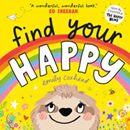
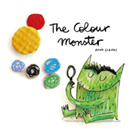
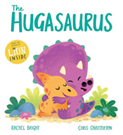
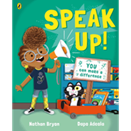
EYFS/KS1
 |
 |
 |
 |
 |
 |
 |
 |
 |
 |
 |
 |
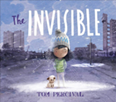
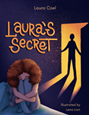
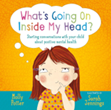
KS2
 |
 |
 |
 |
 |
 |
 |
 |
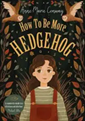 |
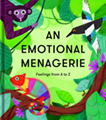 |
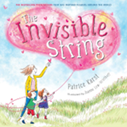 |
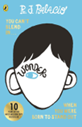 |
Recommended Websites
PSHE Association | Charity and membership body for PSHE education (pshe-association.org.uk) – good for families
Children's mental health - Every Mind Matters - NHS (www.nhs.uk)
Healthier Families - Home - NHS (www.nhs.uk)
KS1 PSHE, Relationships Education, and Health Education - BBC Teach
KS2 PSHE, Relationships Education, and Health Education - BBC Teach
CEOP Education (thinkuknow.co.uk)
Recommended Apps
Our RainbowSmart App is suitable for children aged 3-7, RainbowSmart has been created to support children to increase their emotional intelligence, manage their emotions, develop empathy, create healthy relationships, behave appropriately, manage stress, develop resilience, solve problems, and much more. We have cartoon stories which help with everyday issues, bedtime, problem-solving, flashcards which support emotions, mindfulness videos and sleep meditations. Children are guided through our app by our colourful Rainbow Drop characters. The Rainbow Drops will go on many adventures and learn a lot about the wider world that they live in.
GoodrichChurch of England Primary School
Contact Us
Goodrich, Ross-on-Wye, Herefordshire, HR9 6HY