Diocese of Hereford Multi-Academy Trust
Our Family of Academies

Our Family of Academies

GoodrichChurch of England Primary School

Modern Foreign Language (MFL)
MFL Curriculum Statement
What Modern Foreign Languages (MFL) looks like in Goodrich CE Primary School
Four basic elements run through our whole curriculum.
Through the Languages curriculum we foster Achieve, Believe, Care and TIPTOP to enable every child to be the best they can be.
|
CURRICULUM INTENT |
Our curriculum sets out: the significant and key knowledge that pupils should know and remember as well as the skills that the children will develop and build on; the key concepts that children will return to in different contexts and year groups; the prior learning that the children can build on; the vocabulary that will be introduced as well as the sequencing and progression of the units to be taught. The importance of Languages (MFL) at Goodrich CE Primary School At Goodrich CE (VC) Primary School, we aspire to be linguists! Learning languages opens doors to experiencing and immersing in different cultures. Through learning a language, children develop a curiosity of other countries and their cultures, thus increasing their self-confidence, creativity and sense of achievement. Our languages curriculum, along with our TIPTOP values and ‘achieve, believe, care’ enable our children to develop their knowledge, understanding and confidence to communicate in another language. This will empower children as global citizens and develop tolerance, respect and understanding of all cultures and languages.
What Languages (MFL) looks like in our school:
Our philosophy:
EYFS: Language is all around them and integral to their daily being. The children will explore languages and their understanding of the world, people and communities through a combination of child initiated and adult directed activities.
By the end of Key Stage 1 children will: Children will have opportunities through cross-curricular links to:
By the end of KS2 children will:
|
|
CURRICULUM IMPLEMENTATION |
As part of the National Curriculum, all Key Stage 2 pupils must learn another language during school time. At Goodrich CE Primary School, we have chosen to teach languages through the medium of French to all children within Key Stage 2. This is how it works:
This is what adults do:
This is how we support:
How do we challenge children in Languages?
How do we ensure all children can access the Languages curriculum?
|
|
CURRICULUM IMPACT |
The impact of children’s progress and their ability to know more and remember more will be visible through a range of methods. These may include end of unit assessments or quizzes, spoken responses, progress over time in pupils’ MFL books, Seesaw, extended writing or even an end of unit project.
What will you see in MFL?
How do we know how well our children are doing in MFL?
What do we do with the assessment data we collect?
How do we know that our children are flourishing in MFL?
|
|
CULTURAL CAPITAL |
What is Cultural Capital? The National Curriculum defines cultural capital as: ‘the essential knowledge that pupils need to be educated citizens, introducing them to the best that has been thought and said and helping to engender an appreciation of human creativity and achievement’. This powerful knowledge can be split into two categories: powerful subject knowledge and powerful personal knowledge.
Powerful Subject Knowledge in Languages
Powerful Personal Knowledge in Languages
|
MFL Progression Document
|
Woodpeckers |
Title |
Context |
Grammar |
Vocabulary |
Phonics |
||
|
Woodpeckers |
Year A |
Autumn |
Bonjour! /Salut! Comment tu t'appelles? Pourquoi on apprend le français? Où se trouve la France? |
Greetings and saying your name Asking others their name / introducing some animals with puppets Why we learn French and where else in the world French is spoken. Looking at France on a map of Europe and the world |
s'appeller (je, tu) |
Bonjour/ Salut Au revoir Bonsoir Bonne nuit Je m'appelle + 10 animals Comment tu t'appelles?
|
Je, u
|
|
Comment ça va?
|
Saying how you feel
|
|
Ça va? ça va (très) bien ça va (très) mal comme ci comme ça |
Ç Soft "c" cedilla |
|||
|
Les chiffres (1-12) |
Saying your age Asking others their age |
avoir verb 1,2,3 inversion of verb and subject in the question |
Quel âge as - tu? J'ai.. tu as.. il a…./elle a ….. numbers (1-12) |
ai |
|||
|
L'Halloween |
Saying if you like halloween or not and why |
Tu aimes….? J'aime…... Je n'aime pas… J'adore….. Je déteste…...
car c'est….... |
l'araignée, la citrouille, la toile, la bougie, la sorcière, la lune, la chuve-souris, le balai, le squelette, le chapeau, le chat, le fantôme, les bonbons, les sucettes. effrayant, nul, amusant. |
é è citrouille like grenouille! c'est |
|||
|
Les couleurs
|
What colour is it? C'est de quelle couleur? |
c'est….. |
colours bleu(e) jaune rouge orange marron blanc(he) noir(e) rose violet(te) vert(e) gris(e) |
c'est |
|||
|
Mon école
|
Tu aimes aller à l'école?
(classroom instructions) |
J'aime /Je n'aime pas J'adore / Je déteste aller à l'école car c'est….....
Imperative of verbs |
Fantastique chouette super cool amusant Regardez / écoutez / Ouvrez vos cahiers etc. |
ennuyeux
"ez" |
|||
|
Dans mon sac à dos |
Describing what's in your rucksack |
J'ai…. Je n'ai pas de… Putting colours from previous topic with objects Adjectival agreements |
un crayon un cahier un feutre un stylo un livre des ciseaux un taille-crayon une trouss un bâton de colle une gommeune règle ma trousse |
un / une eaux |
|||
|
Noël |
Comparing Christmas in the UK with France. |
vouloir verb=to wish/want je voudrais I would like masc/ fem |
des cadeaux des bonbons Christmas vocab un / une |
eaux |
|||
|
Spring |
Vive le sport |
Tu aimes le sport? |
J'aime Je n'aime pas J'adore/Je déteste….....
car c'est….. (positive + negative reasons) (revision from mon école topic) |
Variety of activities la natation le vélo le basket la dansele rugby etc. le cyclisme le foot/le tennis le badminton
bon pour la santé / fantastique /amusant /nul /ennuyeux etc. |
é sound |
||
|
La Nourriture |
Qu'est-ce que tu aimes manger/boire? |
J'aime manger/boire ….. Je n'aime pas manger/ boire….. |
fruits and vegetables= des fruits et des légumes sugary things= des sucreries foods/drinks |
manger/boire |
|||
|
Joyeuses Pâques! |
Comparing Easter in the UK to France Revision of J'aime/Je n'aime pas |
J'aime Tu aimes..? |
les poules les oeufs en chocolat le chocolat les bonbons les poussins les lapins la chasse aux oeufs les agneaux les pâquerettes les cloches |
silent "t" silent "s" un oeuf des oeufs |
|||
|
Summer |
|
|
|
|
|
||
|
Woodpeckers |
Year B |
Autumn |
Bonjour!/Salut! Comment tu t'appelles?
Ça va |
Warm up conversation Saying your name Asking others their name Saying how you feel and asking others how they are |
s'appeller 1,2,3 Je m'appelle… il s'appelle… elle s'appelle… Ça va? |
Greetings Bonjour / salut/ bonsoir Ça va (très) bien Ça va (très) mal Comme çi comme ça |
|
|
les animaux - puppets |
Introducing animals |
il s'appelle../elle s'appelle.... |
chien, hippopotame, grenouille, éléphant, ours, canard, lapin, panda, vache, souris |
|
|||
|
La coupe du Monde |
|
|
|
|
|||
|
Halloween |
Saying if you like halloween or not and why |
Tu aimes….? J'aime…... Je n'aime pas… J'adore….. Je déteste…... plurals - les squelettes etc. |
l'araignée, la citrouille, la toile, la bougie, la sorcière, la lune, la chauve-souris, le balai, le squelette, le chapeau, le chat, le fantôme, les bonbons, les sucettes
car c'est….... effrayant, nul, amusant |
é è citrouille like grenouille! c'est |
|||
|
As-tu un animal à la maison? |
Pets |
Avoir verb As-tu? J'ai il a ../elle a.... il s'appelle.../elle s'appelle.... |
un chien, un chat, un hamster, un serpent, un oiseau, un lapin, un cochon d'Inde, un poisson. une souris, une tortue |
|
|||
|
Les couleurs |
Saying what is the colour of your pet. |
Etre verb il est.... elle est...... colour after noun masc and fem noun agreements |
bleu(e), noir(e), orange, vert(e), rose, rouge, blanc(he), gris(e), jaune, violet(te), marron. |
|
|||
|
Les chiffres (1-12) |
Saying your age Quel âge as-tu? (asking others) |
J'ai .... il a ...../ elle a ......ans |
numbers (1-12) |
|
|||
|
Noël |
Christmas in France Je voudrais…. |
vouloir verb Je voudrais… Il/ elle voudrait…. |
des cadeaux le sapin des bonbons des chocolats |
|
|||
|
Spring |
Mon école |
Tu aimes aller à l'école? Dans ma trousse Saying what subjects you like to study and dislike to study!
Qu'est-ce que tu aimes étudier à l'école? |
J'aime / Je n'aime pas… J'ai …/Je n'ai pas de….. J'aime étudier Je n'aime pas étudier… |
car c'est super / fantastique etc. un stylo / un crayon etc. les maths, les sciences, la géographie, l'anglais etc.
car c'est ….adjectives utile/ amusant/facile difficile/ nul/ ennuyeux |
|
||
|
Joyeuses Pâques! |
Easter in France |
J'aime/Je n'aime pas J'espère trouver….... J'espère voir…...... |
les cloches, les lapins etc. les oeufs en chocolat mes grand-parents, mes tantes, mes oncles, mes cousins |
|
|||
|
Summer |
Vive le sport |
Tu aimes le sport? Qu'est-ce que tu aimes faire? |
J'aime le foot/ le rugby J'aime jouer… vb + infinitive Je n'aime pas faire… Je n'aime pas jouer…. |
Variety of activities faire de la natation faire du vélo faire du jogging faire de la danse faire du ski faire du canoë-kayak jouer au foot/tennis jouer au badminton hide and seek= jouer à cache-cache skipping= sauter à la corde jouer à la marelle= hop scotch |
|
||
|
|
Bon pour la santé Mauvais pour la santé healthy/unhealthy foods and drinks |
J'aime manger… Je n'aime pas manger.. J'aime boire…. Je n'aime pas boire…. car c'est…... |
fruits and vegetables= des fruits et des légumes sugary things= des sucreries fatty foods fizzy drinks water =de l'eau
bon / mauvais pour la santé |
|
|||
|
|
Owls |
Title |
Context |
Grammar |
Vocabulary |
Phonics |
||
|
|
Owls |
Year A |
Autumn |
Bonjour! /Salut! Comment tu t'appelles? Pourquoi on apprend le français? Où se trouve la France? |
Greetings and saying your name Asking others their name Why we learn French and where else in the world French is spoken. Looking at France on a map of Europe and the world |
s'appeller (je, tu) |
Bonjour/ Salut Au revoir Bonsoir Bonne nuit Je m'appelle Comment tu t'appelles? |
Je, u |
|
|
Comment ça va? |
Saying how you feel |
|
Ça va? ça va (très) bien ça va (très) mal comme ci comme ça |
Ç Soft "c" cedilla |
|||
|
|
Les chiffres (1-12) |
Saying your age Asking others their age |
avoir verb 1,2,3 inversion of verb and subject in the question |
Quel âge as - tu? J'ai.. tu as.. il a…./elle a ….. numbers (1-12) |
ai |
|||
|
|
L'Halloween |
Saying if you like halloween or not and why |
Tu aimes….? J'aime…... Je n'aime pas… J'adore….. Je déteste…...
car c'est….... |
l'araignée, la citrouille, la toile, la bougie, la sorcière, la lune, la chuve-souris, le balai, le squelette, le chapeau, le chat, le fantôme, les bonbons, les sucettes.
effrayant, nul, amusant. |
é è citrouille like grenouille! c'est |
|||
|
|
Les couleurs |
What colour is it? C'est de quelle couleur? |
c'est….. |
colours bleu(e) jaune rouge orange marron blanc(he) noir(e) rose violet(te) vert(e) gris(e) |
c'est y un/une |
|||
|
|
Mon école |
Tu aimes aller à l'école?
(classroom instructions) |
J'aime /Je n'aime pas J'adore / Je déteste aller à l'école car c'est….....
imperative verb forms |
fantastique nul enuyeux chouette super cool amusant
regardez / levez-vous etc. |
ennuyeux |
|||
|
|
Dans mon sac à dos |
Describing what's in your rucksack |
Il y a… Il n'y a pas de…..(negatives) Putting colours from previous topic with objects. Adjectival agrreements (fem/plural) |
un crayon un cahier un stylo un livre un taille-crayon un feutre des ciseaux un bâton de colle ma trousse une trousse une gomme une règle |
un/une blanc/blanche etc. |
|||
|
|
Noël |
Comparing Christmas in the UK with France. |
vouloir verb=to wish/want je voudrais I would like tu voudrais il/elle voudrait |
des cadeaux des bonbons Christmas vocab |
eaux |
|||
|
|
Spring |
|
|
|
|
|
||
|
|
Summer |
Vive le sport |
Tu aimes le sport? Qu'est-ce que tu fais pour rester en forme? Bon pour la santé Mauvais pour la santé healthy foods/drinks les jours de la semaine
Pour rester en forme |
J'aime …. Je n'aime pas…... J'adore…. Je déteste…..
Je joue/je fais
car c'est…+adj
Je mange/ Je bois…. Je ne mange pas…. Je ne bois pas…. |
Variety of activities la natation le vélo la danse l'athlétisme la voile le foot/tennis le badminton hide and seek= jouer à cache-cache skipping= sauter à la corde jouer à la marelle= hop scotch
fruits and vegetables= des fruits et des legumes sugary things= des sucreries fatty foods fizzy drinks water =de l'eau
variety of foods and drinks un sandwich au fromage/au jambon des frites des chips une pomme une orange une salade un jus d'orange une lemonade de l'eau un coca un thé un café au lait |
|
||
|
|
Au café
|
Qu'est-ce que tu as mangé au café? Qu'est-ce que tu as bu au café? |
J'ai mangé…... J'ai bu….... (introduction to the perfect tense) il a mangé…. elle a mangé….. il a bu….. elle a bu…. |
(Revision of all foods and drinks above)
le week-end dernier la semaine dernière hier lundi dernier etc. all days of the week |
|
|||
|
|
Owls |
Year B |
Autumn |
Bonjour/salut/bonsoir |
Revision of greetings /ça va / names. |
s'appeler (1, 2, 3) |
ça va (très) bien / (très) mal / comme ci comme ça bonjour / salut /bonsoir / au revoir numbers (1-20) |
Ç (cedilla making the "C " soft) |
|
|
|
Tu as quel âge? |
Avoir verb
J'ai.... ans il a... ans elle a... ans. |
|
ai sound ans (no s in pronunciation) |
|||
|
|
La Coupe du Monde |
Il a / elle a quel âge? (Rugby players ) Where are the host cities located. What countries are taking part. |
Il a.. Elle a... Points of the compass Il y a ...... |
Numbers 21-31
Dans le nord, l'est, le sud, l'ouest Dans le nord-est, le sud-est, le sud-ouest, le nord-ouest. 20 countries |
|
|||
|
|
L'halloween |
Learning halloween vocab Introduction to clothes (Saying what you're going to wear) |
J'aime /Je n'aime pas.. Je vais porter…..... (future tense) colours + noun agreement
car c'est l'halloween un pantalon noir une jupe noire une robe noire
effrayant, nul, amusant |
l'araignée, la citrouille, la toile, la bougie, la sorcière, la lune, la chauve-souris, le balai, le squelette, le chapeau, le chat, le fantôme, les bonbons, les sucettes. |
|
|||
|
|
Où j'habite |
Saying where you live and looking at other countries on the world map. Revision of colours with flags |
J'habite en…/au…/aux….
|
Countries (10-12) colours |
silent "h" |
|||
|
|
Noël |
Christmas in France Le Sapin de Noël Decorating the home Revision of colours |
vouloir verb=to wish/want je voudrais I would like tu voudrais il/elle voudrait |
des cadeaux des bonbons Christmas vocab |
eaux
|
|||
|
|
Spring |
Ma Famille |
Talking about who's in your family Describing a famous family Saying their name and age (siblings' ages) |
Possessive adjectives Mon, Ma, Mes
il / elle s'appelle... il / elle a ....ans |
voici family members mon père ma mère mon frère ma soeur mon beau-père ma belle-mère mon demi-frère ma demi-soeur |
ère |
||
|
|
Joyeuses Pâques! |
Comparing Easter in the UK to France Revision of J'aime/Je n'aime pas |
J'aime Tu aimes..?
|
les poules les oeufs en chocolat les poussins le chocolat les lapins les bonbons la chasse aux oeufs les agneaux les cloches les pâquerettes |
|
|||
|
|
Summer |
Le Corps |
Describing yourself physical descriptions hair colour / eye colour/ height personality |
être verb Je suis tu es il/ elle est Position of adjectives Agreement of adjectives. avoir verb J'ai.. il a … elle a …. |
Parts of body- la tête, les épaules, les genoux, les pieds etc
de taille Moyenne petit(e) grand(e) paresseux (se) drôle, sympa, méchant etc.
les cheveux longs/courts/blonds etc les yeux marron/verts/bleus etc (revision of colours) |
|
||
|
Peregrines |
Title |
Context |
Grammar |
Vocabulary |
Phonics |
|||
|
Peregrines |
Year A |
Autumn |
|
|
|
|
|
|
|
Spring |
Vive le sport |
Tu aimes le sport? Qu'est-ce que tu fais pour rester en forme? Bon pour la santé Mauvais pour la santé healthy foods/drinks |
J'aime /Je n'aime pas…. J'adore / Je déteste…
car c'est +adj
Je joue/je fais |
Variety of activities la natation le vélo la danse l'athlétisme la voile le foot/tennis le badminton hide and seek= jouer à cache-cache skipping= sauter à la corde jouer à la marelle= hop scotch |
|
|||
|
La nourriture |
|
Je mange / Je bois….. Je ne mange pas Je ne bois pas |
fruits and vegetables= des fruits et des légumes sugary things= des sucreries fatty foods fizzy drinks water =de l'eau |
|
||||
|
Ma ville |
Saying what there is and isn't in your town Describing your town |
Il y a… Il n'y a pas de….
Ma ville est…. Ma ville n'est pas… |
un cinéma, un hôtel, un hôpital, poste, banque, bibliothèque
petite, grande, historique, touristique, industrielle, tranquille, bruyante propre
un peu très assez et |
silent "h"
é è |
||||
|
Joyeuses Pâques! |
Comparing Easter in the UK to France Learning Easter vocab |
J'aime Tu aimes..? |
les oeufs en chocolat le chocolat les bonbons les lapins les cloches etc. |
un oeuf / les oeufs |
||||
|
Summer |
Ma maison |
Talking about the rooms in your house Revision of numbers, colours Revision of il y a../il n'y a pas de… |
il y a… il n'y a pas de… |
rooms la salle de bains le salon la cuisine la chambre le bureau la salle à manger en haut/ en bas le jardin |
|
|||
|
Ma chambre |
Describing your bedroom |
il y a.. il n'y a pas de… je voudrais…. J'ai….. Je n'ai pas de….... |
les meubles (un / une / des) no "un" or "une"
no "un" or "une" |
ai |
||||
|
Mes Vacances |
Saying where you go on holiday |
Je vais en / au /aux Je vais aller…... (future tense) |
les pays en France en Grèce en Suisse en Allemagne en Irlande en Angleterre en Espagne en Italie au Pays de Galles au Portugal aux États-Unis |
en / au /aux |
||||
|
Saying with whom you go |
Je vais avec Je vais aller avec….. |
Ma famille ma mère mon père mes frères mes soeurs etc. |
|
|||||
|
Saying how you travel there |
Je voyage en….. Je vais voyager en….
Je vais voyager à |
avion autobus / car voiture bateau Eurostar
vélo moto |
|
|||||
|
Saying what clothes you're going to take
(Dans ma valise) |
Je prends Je vais prendre… (future tense) |
des vêtements mon maillot de bain mes lunettes de soleil etc. |
|
|||||
|
Peregrines |
Year B |
Autumn |
Bonjour |
Ça va? / comment t'appelles-tu? Quel âge as-tu? Où habites-tu? |
s'appeler (Je / tu / il /elle) avoir (J'ai ../tu as../il a ../elle a ..) J'habite à …en Angleterre tu habites à….. il habite / elle habite à..... |
ça va (très) bien / mal numbers 1-20 countries (10 max) |
|
|
|
La coupe du Monde 2023 |
Il a / elle a quel âge? (Rugby players )
Where are the host cities located. Points of the compass
What countries are taking part. Il y a ...... |
Dans le nord, l'est, le sud, l'ouest Dans le nord-est, le sud-est, le sud-ouest, le nord-ouest.
20 countries |
|
|
||||
|
Halloween |
Learning halloween vocab Introduction to clothes (Saying what you're going to wear) |
J'aime /Je n'aime pas.. Je vais porter…..... (future tense)
colours agreement of nouns. car c'est |
l'halloween l'araignée, la citrouille, la toile, la bougie, un pantalon noir, la sorcière, la lune, la chauve-souris, le balai, une jupe noire, le squelette, le chapeau, le chat, le fantôme, une robe noire, les bonbons, les sucettes.
effrayant, nul, amusant |
|
||||
|
Le Corps |
Describing yourself physical descriptions hair colour / eye colour/ height personality |
être verb Je suis tu es il/ elle est Position of adjectives Agreement of adjectives
avoir verb J'ai.. il a … elle a …. |
Parts of body- la tête, les épaules, les genoux, les pieds etc
de taille moyenne petit(e) grand(e) paresseux (se) drôle, sympa, méchant etc.
les cheveux longs/courts/blonds etc les yeux marron/verts/bleus etc (revision of colours) |
|
||||
|
OR Les Pays
Les vacances |
Saying where you would like to go on holiday
Saying how you would like to travel there
Saying where you would like to stay on holiday |
Je voudrais aller au / en / aux vouloir verb +infinitive vouloir verb (je / tu / il / elle )
Je voudrais voyager en...
Je voudrais rester .. |
Revision of some countries new countries
various modes of transport en avion / en bateau / en train / en car / en voiture / à vélo / à moto
dans un hôtel / dans un camping / dans un gîte dans une auberge de jeunesse |
|
||||
|
Noël |
Christmas in France Le Sapin de Noël Decorating the home Revision of colours |
vouloir verb=to wish/want je voudrais I would like tu voudrais il/elle voudrait |
des cadeaux des bonbons Christmas vocab |
eaux |
||||
|
Spring |
J'aime porter.... |
Saying what you like/ don't like wearing |
J'aime + verb in infinitive (Je n'aime pas / J'adore/ Je déteste porter...)
le week-end je vais porter...... il va porter... elle va porter..... (future tense) |
les vêtements un jean, un pull, un t-shirt, un sweat, un pantalon, un chemisier, un chapeau, un manteau, une jupe, une veste, une chemise, une écharpe, une robe des gants |
|
|||
|
Joyeuses Pâques!! |
Comparing Easter in France and here
Designing an egg hunt with instructions in French |
En France…...mais en Angleterre…...
Imperative forms of verbs |
Easter vocab
Cherchez / Suivez / Évitez etc. |
|
||||
|
Summer |
les planètes |
Describing the planets physically Saying how far they are from the sun (using big numbers!!) |
être verb près de / loin de
position of adjectives (grand / petit) exceptions |
adjectives including a revision of colours all the planets numbers 1-10,000 |
|
|||
|
Quel temps fait-il en France? |
Describing the weather in France Looking at the map of France and stating the weather in the main cities there.
Looking at the weather on the different planets!! |
il fait …. (faire verb with weather) |
il fait du soleil / il fait beau etc. |
|
||||
MFL Assessment
|
Class |
Listening |
Speaking |
Reading |
Writing |
Grammar |
|
Woodpeckers |
|
|
|
|
|
|
Owls |
|
|
|
|
|
|
Peregrines |
|
|
|
|
|
MFL Vocabulary
|
Class |
Year A Autumn, Spring, Summer |
Year B Autumn, Spring, Summer |
|
Woodpeckers |
See Progression Document |
See Progression Document |
|
Owls |
See Progression Document |
See Progression Document |
|
Peregrines |
See Progression Document |
See Progression Document |
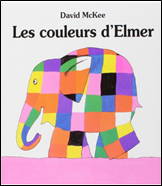
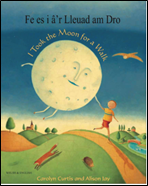
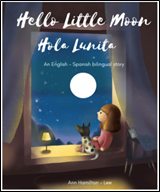
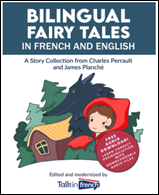
MFL Recommended Reads/ Websites/ Apps
GoodrichChurch of England Primary School
Contact Us
Goodrich, Ross-on-Wye, Herefordshire, HR9 6HY